That's personal liability coverage, and it matters more than most tenants realize. A guest slips on your icy front step. Your dog nips a neighbor's kid. A candle you left burning scorches your upstairs unit. Any one of these situations can trigger legal and medical costs reaching tens of thousands of dollars.
This guide breaks down what personal liability coverage actually pays for, what it won't touch, how much protection renters typically need, and what happens when you have to file a claim.
Key Takeaways
- Covers bodily injury or property damage you're legally liable for, plus legal defense costs
- Standard limits start around $100,000, with options up to $300,000 or $500,000 for modest cost
- Coverage follows you outside the rental, extending beyond your unit
- Excludes intentional acts, business use, auto accidents, and injuries to household members
- Pets, hosting habits, personal assets, and lease terms affect how much coverage makes sense
What Does Personal Liability Coverage Actually Cover?
Personal liability coverage protects you financially when you're found legally responsible for hurting someone or damaging their property. It pays for legal defense and settlements, up to your policy limit.
Here's what falls under that umbrella:
- Bodily injury: If a guest gets hurt in your rental (or because of something you did), this covers their medical expenses, lost wages, and any legal costs tied to a claim
- Property damage: Say you accidentally break a friend's laptop or shatter a neighbor's window. This coverage handles the repair or replacement cost
- Legal defense costs: Attorney fees, court costs, and settlements if you're sued over a covered incident, even if you end up disputing the claim
- Medical payments to others: A smaller, separate provision that pays modest medical bills for injured guests without requiring proof of fault, typically capped in the $1,000 to $5,000 range per person
Coverage Follows You Off-Premises
Liability protection isn't limited to your four walls. If you accidentally knock over an expensive vase while visiting a friend's house, that incident is often still covered under your renters policy. What matters is whether the claim is genuinely accidental and falls within your policy's terms, not where it happened.
What's Not Covered: Key Exclusions Renters Should Know
No policy covers everything, and liability coverage has clear boundaries. Understanding them now saves you from a bad surprise later.
Standard exclusions include:
- Intentional acts — Injuries or damage caused deliberately, or through illegal activity, aren't covered
- Business-related claims — Running a side hustle or freelance operation out of your rental typically isn't covered without a separate business liability endorsement
- Injuries to you or household members — This protects against third-party claims only, not injuries to you or people who live with you
- Auto-related incidents — Liability from a car, motorcycle, or other motorized vehicle falls under auto insurance, not your renters policy
- Damage to your own belongings — Liability coverage addresses harm to others' property. Your own items fall under personal property coverage instead
Pet-Related Gaps Deserve a Closer Look
Pets, especially dogs, are one of the more common sources of liability claims. According to a 2024 report from Triple-I and State Farm, U.S. insurers handled 22,658 dog-related injury claims in 2024, paying out $1.57 billion. The average claim reached $69,272, a number that climbed nearly 19% in just one year.

Most insurers cover domestic pets under standard liability, but some carriers exclude specific dog breeds or exotic animals entirely. There's no universal industry list of restricted breeds, so the only reliable answer is checking your actual policy declaration or asking your agent directly.
How Much Personal Liability Coverage Do You Need?
There's no single right answer here. The correct limit depends on your risk exposure, not just whatever number your policy defaults to.
Typical Coverage Limits and Ranges
Most insurers offer three standard tiers:
| Coverage Limit | Best Suited For |
|---|---|
| $100,000 | Minimal assets, low hosting frequency, no pets |
| $300,000 | Moderate assets, regular guests, pet owners |
| $500,000 | Higher income/assets, frequent hosting, added risk factors |
The $100,000 starting point sounds reasonable until you compare it against real claim data. That $69,272 average dog-related injury claim mentioned above sits comfortably under six figures, but averages don't tell the whole story. A serious injury lawsuit can blow past that ceiling fast, leaving you on the hook for the remainder out of pocket.
Factors That Increase Your Liability Risk
A few things push your risk profile higher and make a bigger limit worth the small added cost:
- Hosting frequency: More guests in your rental means more opportunities for an accident
- Pet ownership: Dogs especially raise the odds of a bite or injury claim
- Assets to protect: Higher savings or property value make you a bigger target in a lawsuit
When Coverage Limits Aren't Enough
If your assets exceed what your renters policy's top liability tier would cover, a personal umbrella policy fills the gap. Allstate's umbrella policies typically start around $1 million in coverage, layered on top of your existing renters or auto liability limits. Coverage increments run up to $5 million for renters with significant assets or elevated risk.
Not sure where you land on this spectrum? That's exactly the kind of question a local agent can help sort out.
The team at Jacobs Family Insurance works with renters across Santa Fe and northern New Mexico, reviewing lease requirements and personal risk factors. They'll recommend limits that actually fit your situation, umbrella coverage included.
How Personal Liability Claims Work
Filing a liability claim follows a fairly predictable path, even though every incident is different.
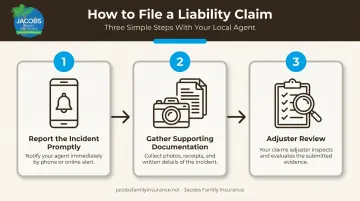
- Report the incident promptly: Contact your insurer as soon as possible with details on what happened and who was involved. Waiting doesn't help your case.
- Gather supporting documentation: Photos of the scene, witness statements, medical records, or a police report all strengthen your claim and speed up review.
- Adjuster review: An adjuster examines the claim, confirms it falls within your coverage, and communicates on covered costs, whether that's legal defense, medical bills, or a settlement up to your policy limit.
The exact timeline varies by insurer and incident complexity, but having your documentation ready from day one makes the whole process move faster.
Common Misconceptions About Personal Liability Coverage
A few myths keep renters underinsured or skipping coverage entirely. Worth clearing up:
- "I don't own much, so I don't need liability coverage." Liability coverage protects your income and future assets, not just belongings, and a judgment can follow you for years.
- "$100,000 is always plenty." A serious injury claim can easily exceed that limit, leaving you personally responsible for the difference.
- "Coverage only applies inside my rental." Liability protection generally extends anywhere you're legally responsible, except for business activities or auto use.
Frequently Asked Questions
What is liability coverage in renters insurance?
It's protection against costs from injuries or property damage you're legally responsible for causing to someone else, including legal defense fees, up to your policy's limit.
How much personal liability coverage do I need as a renter?
Standard options range from $100,000 to $500,000. The right number depends on your assets, whether you have pets, how often you host guests, and any landlord requirements.
Does personal liability coverage apply outside my rental home?
Generally, yes. It follows you to incidents away from home, with exceptions for business activities and anything involving a motor vehicle.
Does renters insurance liability cover my pet if it bites someone?
Many policies do cover pet-related injuries, but some insurers exclude certain breeds or exotic animals. Check your specific policy to confirm coverage.
How much does personal liability coverage add to my renters insurance cost?
Your renters policy usually bundles liability coverage at no extra charge. Moving up to a higher limit typically adds only a modest amount to your premium.
Is renters insurance liability coverage required by my landlord?
Many landlords in Santa Fe and across New Mexico require proof of renters insurance, including liability coverage, as a condition of the lease. Check your rental agreement to confirm the specifics.